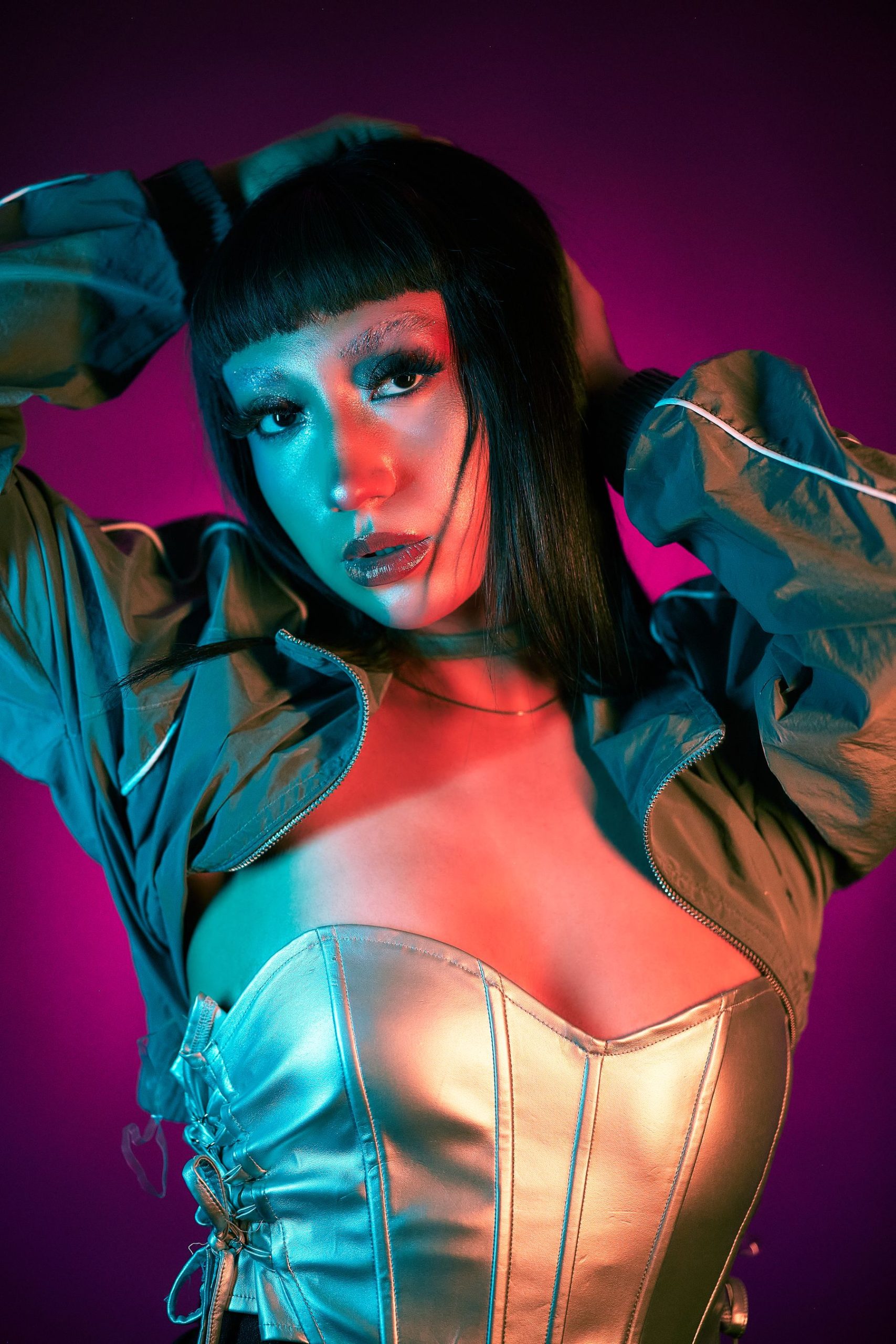
Digital fashion has finally stopped asking whether it is real. The better question is whether the clothes work, the tools help, and the images deserve another look.
Over the last 30 days, the most popular digital-fashion posts were not arguing over NFT prices or making another grand metaverse promise. People were talking about skills, speed, smart closets, AI runways, virtual try-on—and whether the software understands clothes well enough to design them.
We reviewed conversations across TikTok, Reddit, Instagram, X, Threads, YouTube, Pinterest, and professional platforms. These eight drew the strongest mix of visible engagement and relevance. Views, likes, comments, and upvotes are not interchangeable, but they do show where people stopped scrolling.
Featured image: Guillermo Meza via Pexels.
1. Digital Fashion Illustration Became the Biggest Tutorial in the Room
The conversation: @wearbella01 on TikTok
Popularity signal: 228,659 views, 33,210 likes, 992 comments
Whether you like it or not, you must learn digital fashion illustration today. Even if you’ve never drawn before.
2. The Runway Is Turning Into a File Format
The conversation: @larysakuts on TikTok
Popularity signal: 58,075 views, 5,933 likes, 128 comments
Turn your clothing line into a high-fashion masterpiece Realistic models, cinematic lighting, dream locations — no studio, no crew, no limits.
AFTV’s take: “No studio, no crew, no limits” is the promise, and it explains why brands are listening. A runway can become a campaign concept, sales pitch, and social post before anyone books a location. That is a serious advantage for a small label. It is also an invitation to make every collection look like the same glossy AI dream. A faster runway is useful. One with no point of view is expensive-looking wallpaper.
A second clip from the same creator reached another 30,102 views, reinforcing the demand for AI runway production rather than treating the first post as a one-off hit.
3. The Smart Closet Wants to Dress You Before You Ask
The conversation: @otherlookapp on TikTok
Popularity signal: 37,945 views, 9,411 likes, 165 comments
Your closet just got smarter. Meet OtherLook — your AI-powered personal stylist that helps you organize your wardrobe, plan outfits, and get daily style recommendations.
AFTV’s take: A smart closet is less theatrical than an AI runway and much closer to daily life. The product is not another garment. It is help with the clothes already hanging at home. A useful digital closet could reduce bad purchases, revive forgotten pieces, and end the 8 a.m. stare into a full wardrobe that somehow contains “nothing.” The real test is whether the recommendations feel personal or simply produce safe outfits at machine speed.
The same desire appears in a digital-wardrobe post from @reisdailyfits, which recorded 9,773 views.
The best combo? Use your digital wardrobe to plan your outfit and put it on a realistic avatar What do you think, would you would use this app?
AFTV’s take: The appeal is obvious: test the look before creating a small mountain of rejected clothes on the bed. People do not want a digital closet as a museum of what they own. They want it to answer a question.
4. A Fashion Designer Drew a Line Between Brainstorming and Designing
The conversation: @jessicajamesstudio on TikTok
Popularity signal: 1,556 views
AI is useful for brainstorming. It can help with references, mood boards, color exploration, and early concept ideas. What it cannot do is design a garment that can actually be made. AI doesn’t understand grain lines, fabric stretch, seam placement, fit, weight, or movement.
AFTV’s take: Here is the cleanest boundary in the entire debate: AI can produce an image of a dress; fashion design has to produce the dress. Between those two statements live patternmaking, fabric behavior, fit, construction, cost, and the stubborn fact that gravity still has a job. Designers are not rejecting every digital tool. They are rejecting the idea that a plausible image equals design knowledge.
5. AI Try-On Is Becoming a Content Factory
The conversation: @herdigitalmaya on TikTok
Popularity signal: 1,132 views, 142 likes
Virtual try-ons don’t have to look stiff or fake. With the right AI tools, you can: Swap outfits instantly Keep the same model in every look Change poses and camera angles Turn one image into a full fashion campaign
AFTV’s take: “Full fashion campaign” is the line that changes the pitch. Virtual try-on is no longer just a shopping feature; creators are selling it as a production system. One model can hold the visual identity while outfits, poses, and settings change around her. That can stretch a small budget beautifully. It can also erase the accidents, personalities, and physical details that make a real shoot memorable. Efficiency is not art direction.
6. Reddit Found the Construction Errors Behind the Pretty Image
The conversation: r/fashiondesigner on Reddit
Popularity signal: 228 upvotes, 46 comments
The top doesnt connect to the bottom, so its not a dress but it acts like a dress in the drawing. How are you supposed to get this tension of pulling up the skirt part and holding the top part in place? I guess AI thought the jewelry would weigh it down? The front and back don’t actually match.
AFTV’s take: This is what happens when trained eyes enter the chat. The image may pass during a quick scroll, but the garment fails the moment someone asks how the pieces connect. Fashion has always had impossible editorial images. The difference is that those images were usually understood as fantasy. AI often presents a construction error with the confidence of a technical drawing.
I remeber one of the fashion promotion teacher who we had for one semester told us to use AI and the moment she said all the fashion design students were giving her Side eye lol
AFTV’s take: The side-eye says more than a polished panel answer. Students are not automatically impressed because a tool is new. They know when the software is helping them think and when it is asking them to ignore what they have learned about clothes.
7. Virtual Try-On Is Moving From Demo to Storefront
The conversation: @basicswithakarsh on Instagram
Popularity signal: 94 likes, 7 comments
The future of fashion shopping is here try outfits virtually, customize your look, and create AI fashion videos, all from one app!
AFTV’s take: Virtual try-on gets interesting when it leaves the conference demo and enters an ordinary shopping decision. Can I see the complete look? Can I test an ethnic outfit with the dupatta? Can I make the background resemble the occasion? If the fit visualization is honest, the tool can reduce uncertainty. If it only produces a flattering fantasy, it is advertising with extra steps.
8. Prompting Is Being Reframed as a Fashion Skill
The conversation: Graduate Fashion Foundation on Instagram
Popularity signal: 72 likes, 4 comments
“I think prompting is a super skill that has been disregarded.”
AFTV’s take: Calling prompting a “super skill” sounds inflated until you watch someone do it well. The useful version includes references, iteration, editing, and enough fashion knowledge to reject a bad result. The panel’s fuller point matters: 3D design, gaming, and virtual fashion are growing, while craftsmanship and creative judgment remain essential. The job description is getting longer, not less human.
What These Conversations Really Say
The loudest digital-fashion conversation is no longer about replacing physical clothing. It is about changing the work around clothing: how people learn, sketch, present, style, market, and shop.
The software is finally useful enough to leave the innovation deck. The catch is that fashion knowledge still decides whether the result is smart, wearable, persuasive, or nonsense with beautiful lighting.
Digital fashion is not becoming less human as the software improves. It is becoming more dependent on humans who can tell the difference.
Research period: July 29 to August 28, 2026. Engagement figures reflect the public counts captured during research and may change.
Read next: What Is Digital Fashion? Virtual Clothes Explained

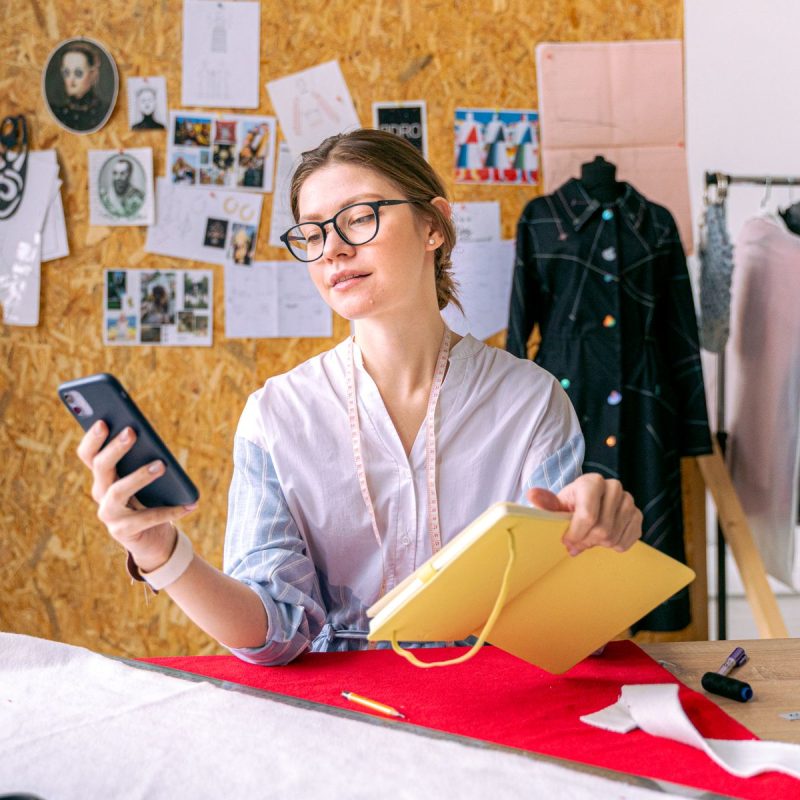
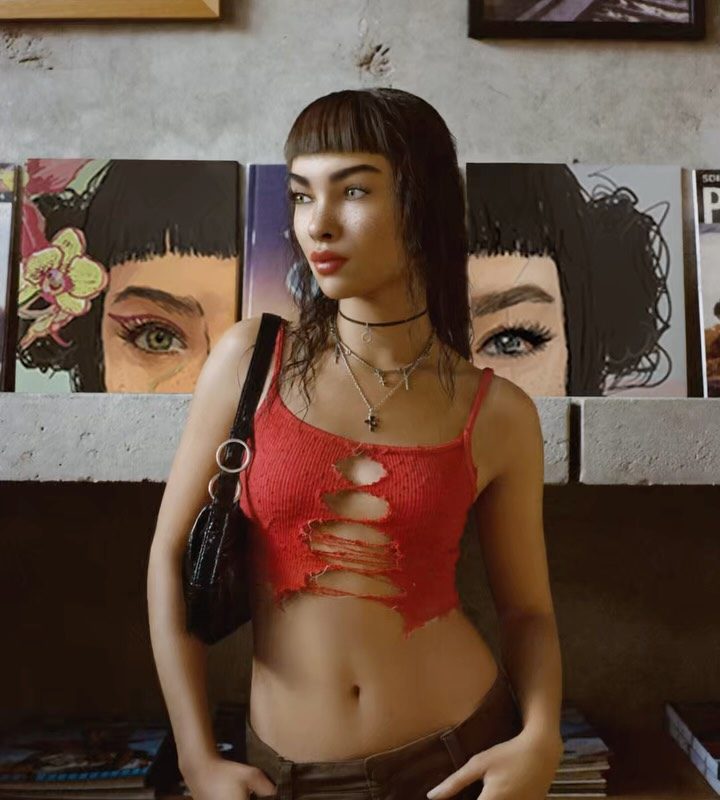
AFTV’s take: The biggest conversation was not a speculative debate. It was a lesson. Digital illustration is being treated as a basic fashion skill, closer to learning technical flats than buying a ticket to an imaginary future. The phrasing is pure TikTok pressure, and the response suggests it worked. Fashion students and independent designers want tools they can use now.